
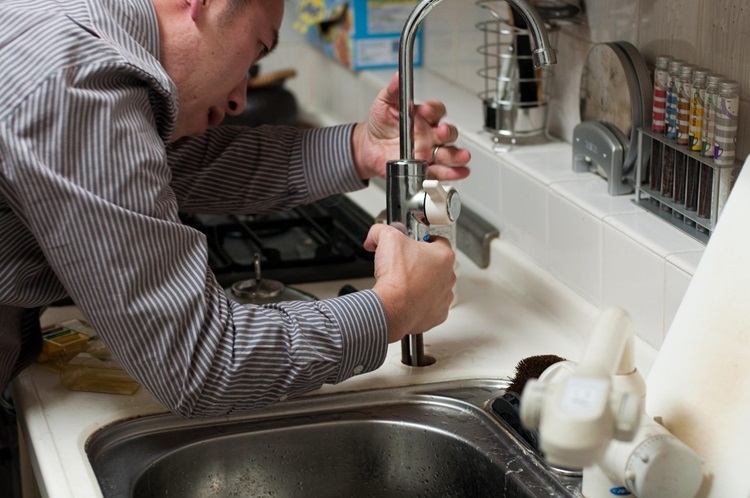
In every home, office, or industrial facility, plumbing systems are the silent workhorses that keep life flowing smoothly. Whether it’s providing clean drinking water, removing wastewater, or maintaining heating systems, the role of a plumber is indispensable. Yet, despite their importance, plumbers often work behind the scenes, quietly ensuring that our daily routines aren’t interrupted by leaks, blockages, or system failures.
Plumbers are skilled tradespeople trained to install, maintain, and repair piping systems. Their work touches every aspect of modern infrastructure, from residential homes to skyscrapers, hospitals, and factories. Plumbing is a profession that combines technical knowledge, problem-solving skills, and hands-on labor, making it a career that demands both precision and adaptability.
The History of Plumbing
The concept of plumbing dates back thousands of years. Ancient civilizations such as the Romans and the Indus Valley people understood the importance of clean water and waste disposal. The Romans, for example, built extensive aqueducts to transport fresh water and designed sophisticated sewer systems to manage wastewater.
Over the centuries, plumbing evolved from basic systems of pipes and channels to highly sophisticated networks capable of regulating water pressure, controlling temperature, and ensuring sanitation standards. Modern plumbing now incorporates advanced technologies, such as computerized leak detection, water filtration systems, and eco-friendly heating solutions.
Types of Plumbing Services
Plumbing is a broad field, and plumbers often specialize in particular areas depending on their training and the needs of their clients. The main types of plumbing services include:
1. Residential Plumbing
Residential plumbers focus on the plumbing needs of homes, apartments, and residential complexes. Their responsibilities include:
-
Installing and repairing faucets, sinks, and toilets
-
Maintaining water heaters and boilers
-
Detecting and fixing leaks in pipes
-
Installing water filtration and softening systems
These plumbers play a critical role in ensuring that households have reliable access to clean water and proper sanitation.
2. Commercial Plumbing
Commercial plumbing is geared toward businesses, office buildings, schools, hospitals, and other public facilities. Commercial plumbing systems are often more complex than residential ones due to the higher demand for water and waste management. Commercial plumbers may work on:
-
High-capacity water supply systems
-
Industrial-sized water heaters and boilers
-
Complex sewage and drainage systems
-
Fire sprinkler installations
A commercial plumber must be familiar with building codes and safety regulations to ensure compliance with legal standards.
3. Industrial Plumbing
Industrial plumbers work in factories, manufacturing plants, and power plants. These environments require specialized plumbing knowledge to handle chemicals, high-pressure systems, and industrial-grade machinery. Their duties often include:
-
Installing and maintaining large-scale piping networks
-
Handling corrosive or hazardous materials safely
-
Monitoring systems to prevent leaks or contamination
-
Collaborating with engineers to design efficient water flow systems
Industrial plumbing requires advanced technical skills and strict adherence to safety protocols.
Skills Required to Be a Successful Plumber
Being a plumber is far more than a hands-on job—it’s a profession that requires a diverse skill set. Some of the essential skills include:
1. Technical Knowledge
Plumbers must understand water supply systems, drainage networks, and heating systems. They also need to be proficient in using plumbing tools and modern technology, including pipe inspection cameras and leak detection devices.
2. Problem-Solving Skills
Plumbing issues can be complex and unpredictable. A good plumber must quickly assess the situation, identify the root cause of a problem, and implement an effective solution.
3. Manual Dexterity
Plumbing involves working with small parts, tight spaces, and sometimes awkward angles. Manual dexterity is crucial to ensure precision and avoid mistakes that could lead to further damage.
4. Physical Stamina
Plumbers often work long hours, carry heavy equipment, and perform physically demanding tasks. Physical fitness and stamina are essential traits for coping with the demands of the job.
5. Customer Service
Plumbers frequently interact with homeowners and business managers. Strong communication skills and a professional demeanor help build trust and ensure client satisfaction.
Common Plumbing Problems
Even with regular maintenance, plumbing systems can encounter issues. Some of the most common problems include:
-
Leaking Pipes: Over time, pipes can corrode, crack, or develop leaks, leading to water damage and higher utility bills.
-
Clogged Drains: Hair, grease, and debris can accumulate in pipes, causing slow drainage or blockages.
-
Water Heater Issues: Malfunctioning water heaters can lead to inconsistent water temperatures or complete loss of hot water.
-
Low Water Pressure: Sediment buildup or pipe damage can reduce water flow, making everyday tasks frustrating.
-
Sewer Line Problems: Tree roots, blockages, or pipe deterioration can cause sewage backups, requiring immediate attention.
A skilled plumber can quickly diagnose and resolve these issues, preventing further damage and restoring functionality.
Tools of the Trade
Plumbers rely on a variety of tools to perform their work efficiently. Some of the most commonly used tools include:
-
Pipe wrenches and pliers
-
Pipe cutters and threading tools
-
Plungers and drain snakes
-
Pipe inspection cameras
-
Leak detection equipment
-
Soldering and welding tools
Modern plumbers also use digital tools for mapping pipe layouts, detecting leaks without excavation, and monitoring system performance remotely.
Training and Education
Becoming a plumber requires a combination of education, apprenticeships, and on-the-job experience. Many plumbers begin their careers through vocational schools or community college programs, where they learn about plumbing codes, system design, and safety procedures.
Apprenticeships are a crucial part of training, as they allow aspiring plumbers to gain hands-on experience under the supervision of experienced professionals. During this period, apprentices learn practical skills, troubleshooting techniques, and customer service practices. After completing training and obtaining necessary licenses, plumbers can pursue specialized certifications in areas such as gas fitting, pipe welding, or eco-friendly plumbing solutions.
The Importance of Regular Plumbing Maintenance
Regular plumbing maintenance is essential for preventing costly repairs and ensuring the longevity of a system. Preventative maintenance tasks may include:
-
Inspecting pipes for leaks or corrosion
-
Cleaning drains and sewer lines
-
Checking water pressure and flow
-
Servicing water heaters and boilers
-
Updating older systems to comply with modern standards
By investing in maintenance, homeowners and businesses can reduce water waste, prevent emergency repairs, and ensure a safe, reliable water supply.
The Future of Plumbing
Plumbing is evolving alongside advances in technology and environmental awareness. Smart plumbing systems now allow for real-time monitoring of water usage, leak detection, and automated temperature control. Eco-friendly plumbing solutions, such as low-flow faucets, rainwater harvesting systems, and water recycling technologies, are becoming increasingly common.
As cities grow and infrastructure demands increase, the role of plumbers will continue to expand. Plumbers will not only repair and maintain systems but also contribute to sustainable water management, energy efficiency, and public health initiatives.
Conclusion
Plumbers are the unsung heroes of modern life. Their work ensures that we have access to clean water, safe sanitation, and functional heating and cooling systems. From residential homes to industrial complexes, the expertise of a plumber is indispensable in maintaining comfort, health, and efficiency.
Choosing a skilled plumber means investing in quality workmanship, long-term reliability, and peace of mind. Whether addressing a minor leak, installing a complex system, or implementing eco-friendly solutions, plumbers are vital to the infrastructure that underpins our daily lives.
In a world increasingly dependent on sophisticated plumbing systems, the importance of trained, dedicated plumbers cannot be overstated. Their contribution goes far beyond fixing pipes—it impacts health, safety, and the overall quality of life for communities everywhere.


